Movie
Fight Club
(1999)
Based on 1 book•1 difference documented
Summary
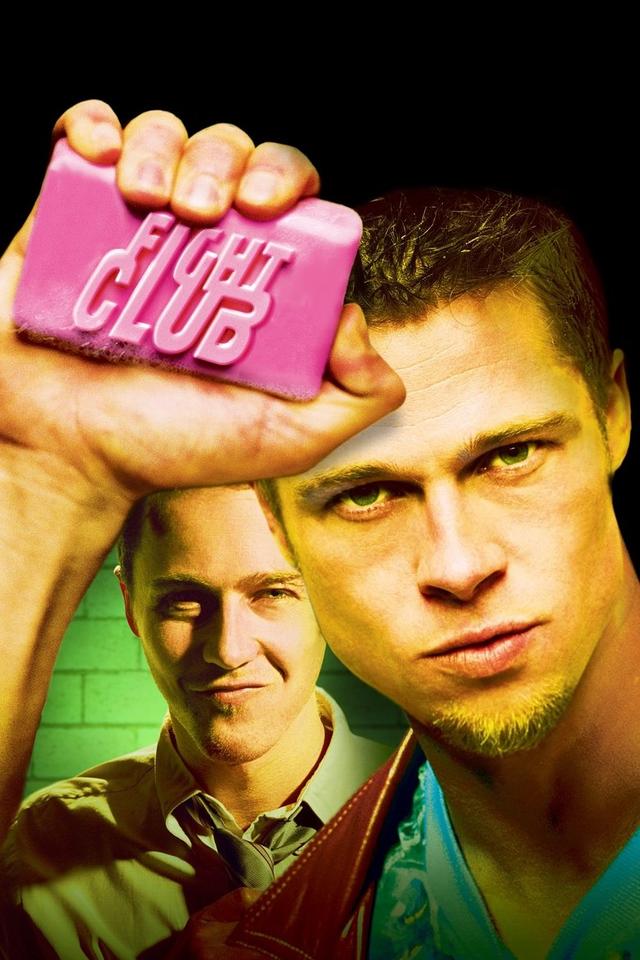
A ticking-time-bomb insomniac and a slippery soap salesman channel primal male aggression into a shocking new form of therapy. Their concept catches on, with underground "fight clubs" forming in every town, until an eccentric gets in the way and ignites an out-of-control spiral toward oblivion.
Compare with source material
See how this movie compares to the book it was based on
Based on•Published 1996
Fight Club
by Read Mercer Schuchardt
Pervasive and multidisciplinary, this insightful exploration discusses how and why this seminal work developed, and continues to grow, such a cult following. When Fight Club punched its way onto the scene a decade ago, it provided an unprecedented glimpse into the American male's psyche and rapidly turned into a euphemism for a variety of things that should be "just understood" and not otherwise acknowledged. Key to its success is the variety of lenses through which the story can be interpreted; is it a story of male anxiety in a metrosexual world, of ritual religion in a secular age, of escape from totalitarian capitalism, or the spiritual malaise induced by technologically-oriented society? Writers, conspiracy theorists, and philosophers are among those ready to talk about Fight Club's ability to be all these and more.
No differences documented yet
Top Differences
Most voted differences across all source material
EndingFull Spoilers
Buildings successfully destroyed in film vs failed in book
In the book, the explosives fail. In the film, the buildings successfully collapse as Tyler/Narrator and Marla watch.