Movie
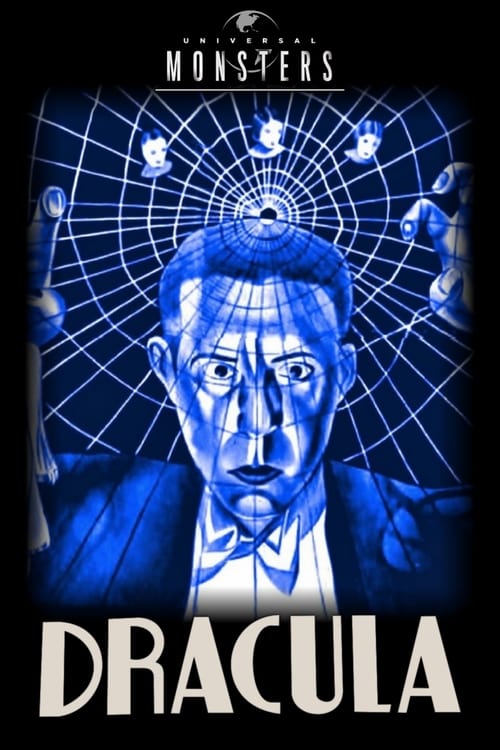
Drácula
(1931)
Based on 1 book•0 differences documented
Summary
At midnight on Walpurgis Night, an English clerk, Renfield, arrives at Count Dracula's castle in the Carpathian Mountains. After signing papers to take over a ruined abbey near London, Dracula drives Renfield mad and commands obedience. Renfield escorts the boxed count on a death ship to London. From there, the Count is introduced into the society of his neighbor, Dr. Seward, who runs an asylum. Dracula makes short work of family friend Lucia Weston, then begins his assault on Eva Seward, the doctor's daughter. A visiting expert in the occult, Van Helsing, recognizes Dracula for who he is, and there begins a battle for Eva's body and soul.
Compare with source material
See how this movie compares to the book it was based on
Based on•Published 2001
Dracula
by Bram Stoker
Dracula is perhaps almost as interesting regarded historically as the product of a specific time as it is engaging to continuing generations of readers in a 'timeless' fashion. In her introduction Byron first discusses the famous novel as an expression not of universal fears and desires but of specifically late nineteenth-century concerns. At the same time she is entirely attuned to the ways in which, however much Dracula is a Victorian text, Dracula is a very twentieth-century character, a representative of modernity and of the future.
No differences documented yet