All Quiet on the Western Front
Published in 2025
"All Quiet on the Western Front" by Erich Maria Remarque is a powerful and poignant novel that explores the harrowing experiences of soldiers during World War I. First published in 1929, the book is narrated by Paul Bäumer, a young German soldier who enlists in the army with his classmates, driven by a sense of patriotism and idealism. However, as the story unfolds, Paul and his friends quickly come to face the brutal realities of war, which shatter their youthful illusions. The novel provides a firsthand account of the horrors of trench warfare. Through Paul's eyes, readers witness the physical and emotional toll that war takes on soldiers. The graphic descriptions of battles, injuries, and death serve to highlight the senselessness of conflict and the loss of human life. Remarque's writing captures the chaos and fear that permeate the battlefield, immersing readers in the intense atmosphere of war. One of the central themes of "All Quiet on the Western Front" is the disillusionment experienced by soldiers. As Paul and his comrades endure relentless suffering, they begin to question the values and beliefs that led them to enlist. The camaraderie among the soldiers becomes a vital source of support, as they navigate the challenges of survival together. However, the novel also illustrates how war ultimately alienates them from their former lives and identities. Paul struggles to reconcile his experiences with the expectations of society, feeling increasingly disconnected from the world he once knew. The impact of war on mental health is another significant aspect of the novel. Remarque portrays the psychological scars that soldiers carry long after the fighting has ceased. Paul grapples with feelings of despair, hopelessness, and trauma, reflecting the broader struggles faced by veterans. The novel emphasizes that the effects of war extend beyond the battlefield, haunting those who survive and shaping their futures in profound ways. "All Quiet on the Western Front" also critiques the romanticism often associated with war. Through Paul's journey, Remarque challenges the glorified notions of heroism and sacrifice, revealing the grim reality of combat. The novel serves as a powerful anti-war statement, urging readers to confront the true nature of conflict and its devastating consequences. Remarque's poignant prose and vivid imagery compel readers to empathize with the soldiers' plight, fostering a deeper understanding of the human cost of war. In addition to its exploration of the soldier's experience, the novel delves into the broader societal implications of war. Remarque critiques the political and military leaders who send young men to fight, often without a true understanding of the consequences. The indifference of those in power is juxtaposed with the suffering of the soldiers, highlighting the disconnect between the ruling class and the realities faced by those on the front lines. The novel's impact has endured over the decades, resonating with readers across generations. It has been translated into numerous languages and adapted into various films and stage productions, further solidifying its place in literary history. "All Quiet on the Western Front" remains a vital work that speaks to the universal themes of loss, trauma, and the search for meaning in the face of adversity. "All Quiet on the Western Front" by Erich Maria Remarque is a profound and moving exploration of the experiences of soldiers during World War I. Through the eyes of Paul Bäumer, readers are confronted with the harsh realities of war, the disillusionment that follows, and the lasting impact on mental health. The novel serves as a powerful reminder of the human cost of conflict and the need for empathy and understanding in times of war. Its enduring relevance and emotional depth make it a must-read for anyone seeking to comprehend the complexities of the human experience in the face of violence and suffering.
2 adaptations•0 differences documented
Choose an adaptation to compare
Select a screen adaptation to see a detailed comparison with the book
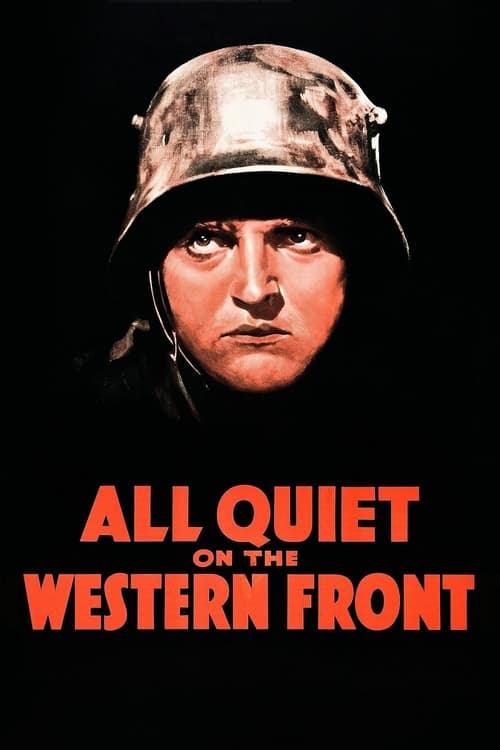
Movie1930
All Quiet on the Western Front
Based onWhen a group of idealistic young men join the German Army during the Great War, they are assigned to the Western Front, where their patriotism is destroyed by the harsh realities of combat.
No differences documented yet
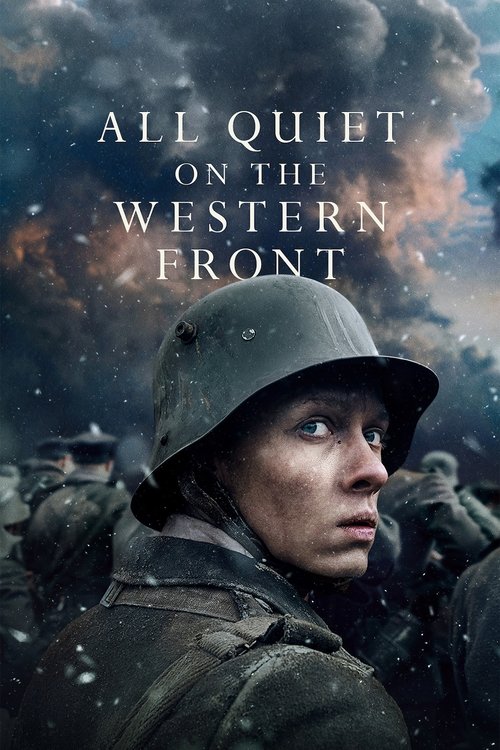
Movie2022
All Quiet on the Western Front
Based onPaul Baumer and his friends Albert and Muller, egged on by romantic dreams of heroism, voluntarily enlist in the German army. Full of excitement and patriotic fervour, the boys enthusiastically march into a war they believe in. But once on the Western Front, they discover the soul-destroying horror of World War I.
No differences documented yet
Information
- Author
- Erich Maria Remarque
- Year
- 2025
- Genre
- Fiction
- Rating
- 5.0/5 (2 ratings)
- Language
- en
Similar Books
Other books you might be interested in exploring